
Estate Planning Attorney in Miami Beach for Condo Owners and Part-Time Residents
Most Miami Beach owners live in a condo, and many spend part of the year somewhere else. A good estate planning attorney in Miami Beach plans around both facts: settling which state is your legal home, preparing your heirs for the building they will inherit, and covering every property in one plan.
Attorney Yanitza Schoonover meets in person or by Zoom, so you can finish your plan from Miami Beach in winter or from up north in summer.
A City of Condos and Second Homes
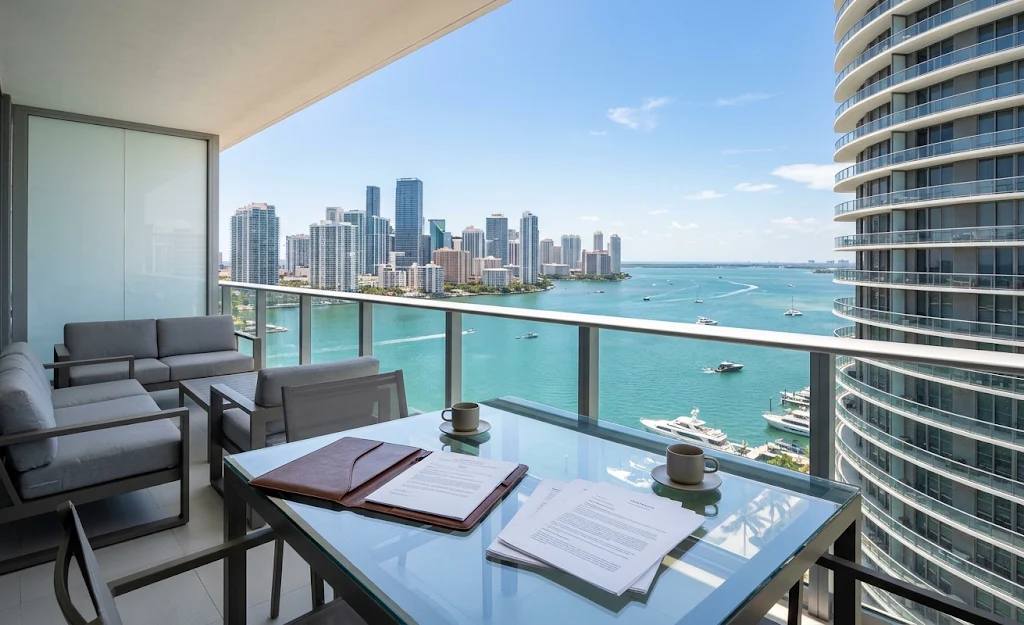
From the Art Deco district and Lincoln Road in South Beach to the towers along Collins Avenue in Mid-Beach and North Beach, Miami Beach is built vertically. About 85% of its housing units are in apartment or condominium buildings, and only about four in ten units are owner-occupied. A 2024 Miami Realtors analysis of Census data ranked Miami Beach the third largest vacation home market in the country, with roughly 14,000 vacation units, about one in five homes in the city.
Year-round Miami Beach residents
Homes in apartment or condo buildings
Housing units that are vacation homes
Median value of an owner-occupied home
The city has about 82,000 year-round residents, a median age near 43, and a median owner-occupied value around $557,000. Those numbers describe two kinds of owners who need different planning: full-time residents in condos, and part-time owners whose legal home may be in another state.
Where Do You Legally Live? Domicile for Part-Time Residents
If you split the year between Miami Beach and New York, New Jersey or another state, both states may claim you as a resident. Your domicile, your true permanent home, decides which state’s probate court handles your main estate, whether you can claim the Florida homestead exemption, and which state’s taxes apply. Florida has no state income tax and no state estate tax; some northern states have both.
Florida lets you record your intent with a sworn Declaration of Domicile filed with the Miami-Dade Clerk of the Court. On its own it is not enough. Courts and tax auditors look at the full picture, so the steps below should line up:
Step 1
File a Florida Declaration of Domicile with the Clerk of the Court
Step 2
Get a Florida driver license and register your vehicles in Florida
Step 3
Register to vote in Miami-Dade and vote here
Step 4
Apply for the homestead exemption on your Miami Beach home
Step 5
Move your doctors, banks and important papers to Florida addresses
Step 6
Sign new Florida estate planning documents that state your Florida residence
If you intend to keep your domicile in another state, the same statute lets you record that instead. Either way, deciding on purpose is far better than leaving it for two states to argue about after you are gone.
What Your Heirs Inherit With a Miami Beach Condo
A condo is not just an apartment. Your heirs inherit the unit together with the building’s finances, rules and obligations, and in Miami Beach those can be significant:
After the 2021 Surfside collapse, Florida now requires milestone structural inspections and reserve studies for older buildings three stories and taller. A special assessment voted before your death stays with the unit and passes to your heirs.
Association dues, insurance, property taxes and utilities keep running during probate. If the estate has no cash available, heirs often pay out of pocket.
Many condominium declarations give the association a right to approve buyers or tenants, or a right of first refusal on a sale. Heirs who want to sell or rent must follow that process.
Miami Beach bans short-term rentals in single-family areas and restricts them in many residential districts, and many condo associations prohibit them entirely. Heirs counting on vacation rental income often cannot have it.
Placing the condo in a revocable living trust lets your successor trustee pay the dues, deal with the association and list the unit immediately, without waiting for a probate judge. If a building’s assessments exceed the value of a unit, Florida law also allows an heir to formally decline, or disclaim, an inheritance.
One Plan for a Miami Beach Condo and a Home Up North
Owning property in two states usually means two probate cases: one where you live and an ancillary case where the other property sits. A single revocable trust that holds both homes avoids both.
Miami Beach condo
Home in New York or another state
Revocable living trust
No Florida probate and no second court case up north.
A will signed in another state is generally valid in Florida if it was valid where you signed it, but your documents should still be reviewed once Florida becomes your home. Florida rules on homestead, witnesses and personal representatives are different, and Florida banks are more comfortable with a Florida durable power of attorney. Many part-time residents also sign a health care surrogate designation naming someone who can reach a Miami Beach hospital quickly, and update their Florida will to match the trust.
Meeting With Us From Miami Beach
25 to 30 minutes via I-195 or I-395
Our office is at 6303 Waterford District Drive, Suite 400, off State Road 836 near Miami International Airport. From Miami Beach, take the Julia Tuttle Causeway (I-195) or the MacArthur Causeway (I-395) west to 836; the drive is usually 25 to 30 minutes outside rush hour. Owners who are out of state for the summer can complete the whole plan by Zoom and sign when they return, or with a local notary where Florida law allows.

Attorney Yanitza Schoonover has been licensed in Florida since 2016 and reviews every condo declaration, deed and out-of-state document herself before advising you. She was named a Super Lawyers Rising Star from 2021 through 2026 and received the 2024 Elite Lawyer Award. Your domicile review, trust and supporting documents are quoted as one flat fee, in writing, before work begins. Meet Attorney Yanitza Schoonover.
Across the Bay and Up the Coast
We plan for owners all along the barrier islands and the mainland. That includes condo owners who need a Surfside estate planning attorney, island residents looking for a North Bay Village estate planning lawyer, and Brickell owners searching for an estate planning attorney in Miami. When an owner has already passed, our probate attorney for Miami Beach estates handles the court process, and our guide on how to avoid probate in Florida compares the options for condos and second homes.
Questions Miami Beach Owners Ask Us
The state where you intend to make your permanent home, backed by your actions: your driver license, voter registration, homestead exemption, where you spend most of your time and where your documents say you live. Deciding on purpose, and lining those facts up, avoids a dispute between two states later.
It depends on your condominium declaration. Many Florida associations have a right to approve buyers and tenants or a right of first refusal on sales. Your heirs should review the declaration before selling or renting the unit.
Possibly, but with limits. Miami Beach restricts short-term rentals in many residential districts, and many condo associations ban them or set minimum lease terms. Longer leases are usually allowed if the association approves the tenant.
An assessment voted by the association stays with the unit and passes to your heirs. Holding the condo in a revocable trust lets your trustee deal with it right away, and an heir who does not want the unit can disclaim it under Florida law.
Generally yes, if it was valid where you signed it. But it may not use Florida’s self-proving format, it may name a personal representative who cannot serve here, and it will not account for Florida homestead rules, so a Florida review is wise.
Table of Contents
Settle Where You Live and Who Gets the Condo
Bring your condo declaration, any out-of-state will or trust, and your questions about domicile. We will review it all and quote one flat fee for a plan that covers both homes.
The Schoonover Law Firm, P.A.
6303 Waterford District Drive, Suite 400, Miami, FL 33126
