
Virtual Reality Assets and Metaverse Property in Estate Planning

Virtual reality assets and metaverse property have moved from speculative novelty to real economic value. Digital land, virtual storefronts, in-game assets, and immersive environments are now bought, sold, leased, and monetized—often for significant sums. Yet most estate plans treat these assets as if they don’t exist. That gap creates a serious risk: assets that are […]
Estate Planning for Cannabis Business Owners in Legal States
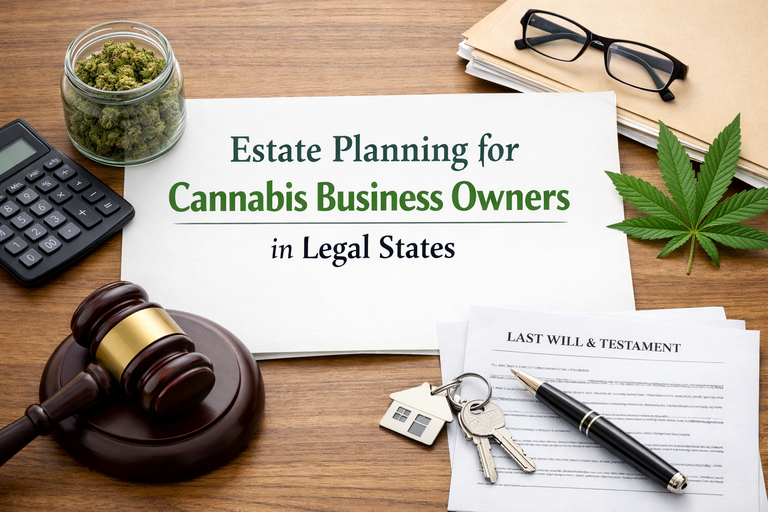
Estate planning for cannabis business owners operates in a legal minefield. Even in states where cannabis is legal, the industry exists in tension with federal law. That conflict affects taxation, banking, licensing, valuation, and—critically—what happens to your business if you die or become incapacitated. Traditional succession planning fails here. Precision is mandatory. This article explains […]
Genetic Testing Results in Estate Planning: Privacy and Health Information
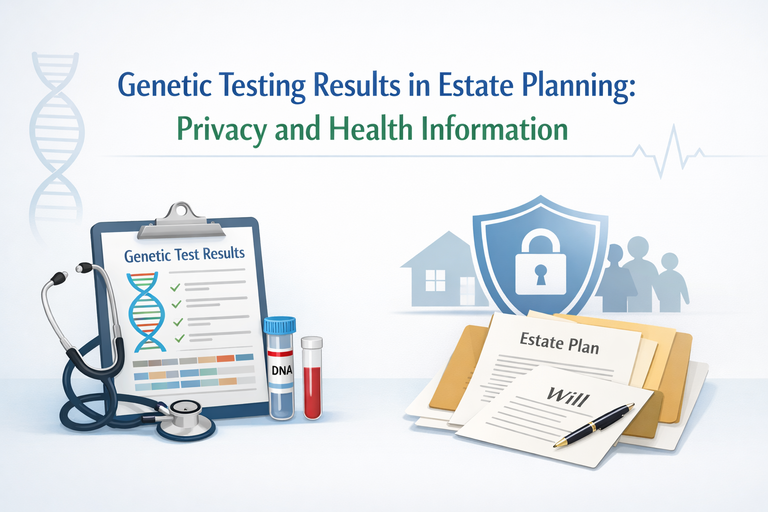
Genetic testing results in estate planning raise questions that go far beyond money. DNA data can reveal disease risk, family relationships, and future medical realities—not just for you, but for your children and grandchildren. For health-conscious families, the challenge is balancing privacy, ethics, and preparedness without creating legal or emotional harm. This article explains how […]
Estate Planning During Political Uncertainty: Protecting Assets from Policy Changes
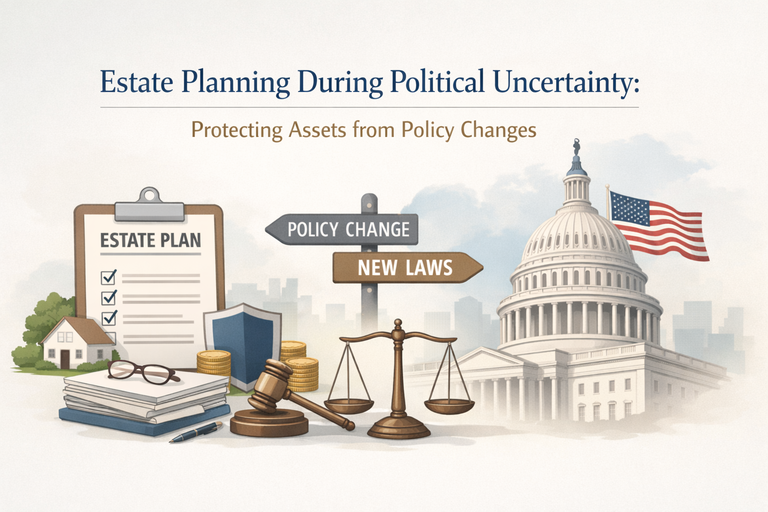
Estate planning during political uncertainty is not about predicting elections—it’s about recognizing that tax laws, exemptions, and planning opportunities are political choices that can change quickly. For high-net-worth families, waiting for “clarity” often means missing windows that only exist before policy shifts occur. The objective is not to react emotionally, but to build durable, flexible […]
Climate Change and Estate Planning: Insuring Coastal Properties for Future Generations
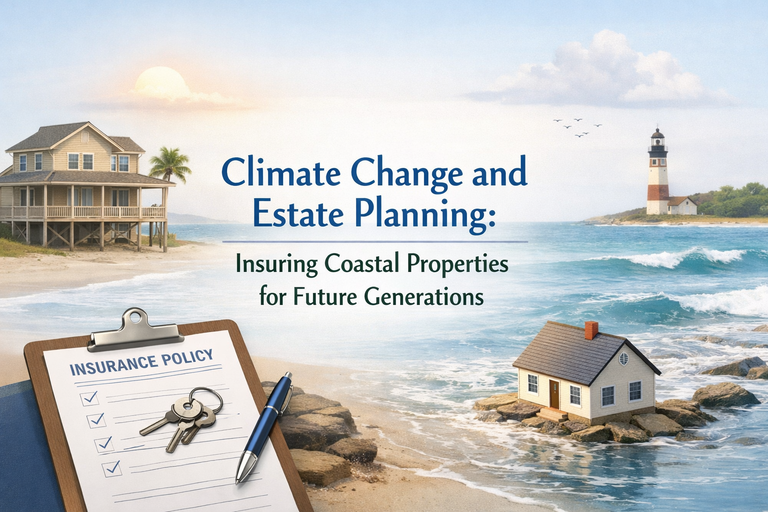
Climate change and estate planning have become inseparable issues for Miami coastal property owners. Rising sea levels, stronger storms, and volatile insurance markets are no longer abstract risks—they directly affect whether a property can be insured, financed, inherited, or even kept. An estate plan that ignores climate exposure is not preserving a legacy; it is […]
Simultaneous Death Clauses: Planning for Couples Who Die Together
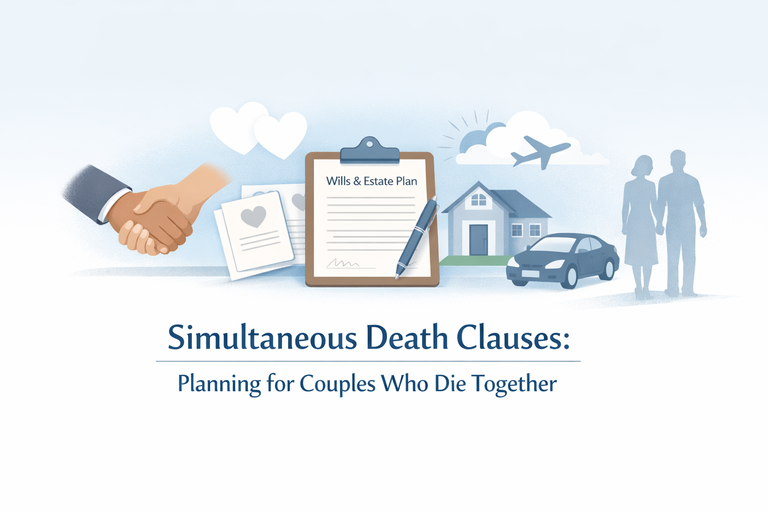
Simultaneous death clauses exist for scenarios no one wants to imagine—but failing to plan for them creates legal chaos precisely when clarity matters most. When spouses or partners die in the same accident or within a short time of each other, estate plans without survival rules can trigger unintended transfers, family disputes, and unnecessary probate […]
Medicaid Estate Recovery in Florida: What Your Heirs Need to Know

Medicaid estate recovery is one of the least understood—and most feared—parts of long-term care planning. Families often believe Medicaid will “take the house” after a loved one dies. That fear is understandable, but it’s also incomplete. In Florida, estate recovery is real, but it is limited, rule-bound, and often avoidable with proper planning. This guide […]
What to Do Immediately After Someone Dies: 72-Hour Checklist

When someone dies, grief and logistics collide. Families are expected to make important decisions while exhausted, emotional, and often unprepared. This 72-hour post-death checklist is designed to reduce panic, prevent costly mistakes, and help you focus on what truly matters—without rushing decisions that can wait. This guide follows a clear, step-by-step timeline so you know […]
Handling Lost or Destroyed Wills in Florida: Legal Options
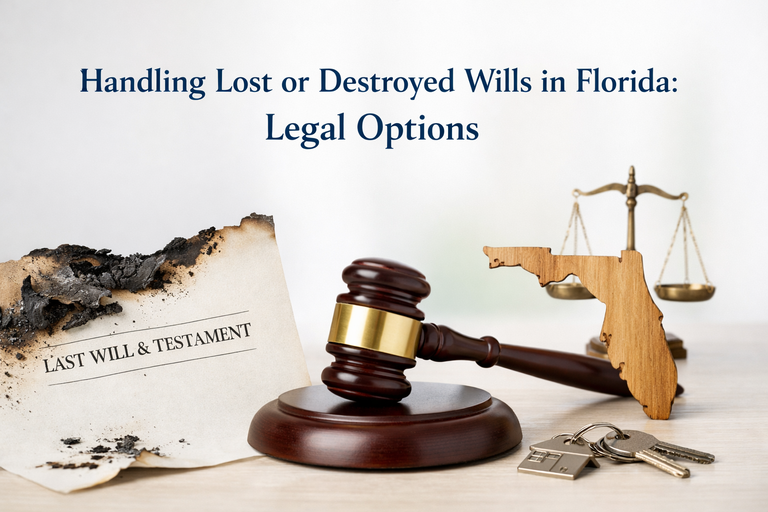
Handling a lost or destroyed will in Florida is one of the most complex and emotionally charged probate situations families face. Florida law starts from a skeptical position: if an original will cannot be found, the court may presume it was intentionally revoked. Overcoming that presumption is possible—but it requires evidence, precision, and a clear […]
Estate Planning During Bankruptcy: Protecting Assets While in Chapter 11 or 13
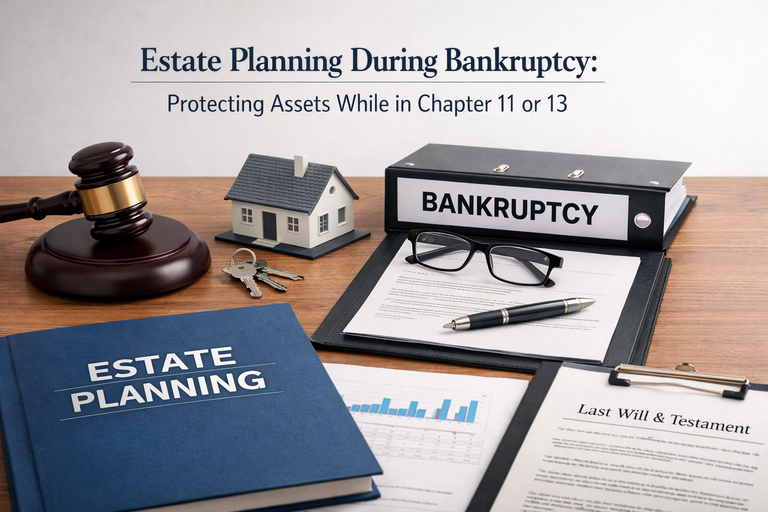
Estate planning during bankruptcy is possible—but only if it is done carefully, transparently, and in coordination with bankruptcy law. For individuals in Chapter 11 or Chapter 13, the goal is not to hide assets (which is illegal), but to preserve what the law allows, protect family members, and avoid mistakes that make a difficult situation […]
